Reflexology Massage
Full Body and Reflexology Massage in Tiberias
What is reflexology?
Reflexology massage is a therapeutic practice that involves applying pressure to specific points on the feet, hands, or ears, based on the belief that these areas correspond to different parts of the body.
The idea behind reflexology is that these "reflex points" are connected to various organs and systems, and stimulating them can promote healing, reduce stress, and improve overall health.
What is Reflexology Massage?
The primary goal of reflexology is to encourage the body’s natural healing processes by improving circulation, reducing tension, and balancing energy. Reflexologists use their fingers, thumbs, and sometimes specialized tools to apply targeted pressure to these reflex points.
While reflexology is not typically used to treat specific medical conditions in the same way as other forms of massage or therapy, it is believed to help with:
- Stress and anxiety relief
- Improved circulation
- Pain reduction
- Enhancing relaxation
- Boosting energy levels
- Supporting overall well-being
It's important to note that while reflexology is often used for relaxation and general health maintenance, scientific evidence on its effectiveness for treating specific medical conditions is still limited. Many people find it a soothing and helpful complementary therapy for general wellness.
Reflexology or Massage?

Which one to choose?
Reflexology may be a better option if you're looking for a holistic approach to wellness, stress relief, and balancing your body’s energy. It’s especially helpful if you enjoy gentle pressure and want a treatment that may support general health rather than targeting specific physical issues.
Massage may be more suitable if you have specific muscle tension, pain, or stiffness that you want to address. It’s ideal for those seeking a more physical, hands-on approach to alleviating discomfort.
Both can offer great benefits depending on your personal needs and preferences!
Massage and Reflexology
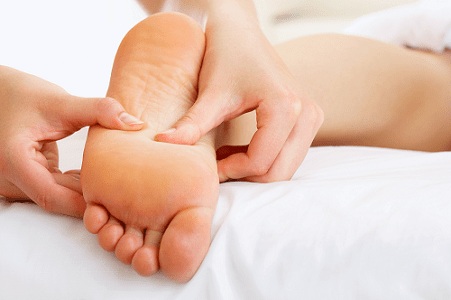
Reflexology and traditional massage are both therapeutic practices that help with relaxation, pain relief, and overall well-being, but they are quite different in their approach and techniques. Here’s a breakdown of each to help you understand their distinctions:
-
Reflexology:
- Focus: Targets specific reflex points, typically on the feet, hands, or ears. These points correspond to different organs, glands, and systems throughout the body.
- Techniques: Applying pressure to these points using thumbs, fingers, or specialized tools to improve overall health and restore balance.
- Purpose: Enhances the body’s natural healing process, improves circulation, relieves stress, and supports bodily functions. Not primarily intended to address specific muscle tension or pain directly.
- Duration: Typically lasts 30 to 60 minutes.
-
Massage:
- Focus: Manipulates muscles and soft tissues of the body. Types include Swedish, deep tissue, sports massage, etc., to address tension, pain, and improve flexibility.
- Techniques: Using hands, forearms, elbows, or tools to knead, rub, and apply pressure. Techniques vary by type and client needs.
- Purpose: Reduces muscle tension, relieves pain, increases flexibility, and promotes relaxation.
- Duration: Usually 30 to 90 minutes, depending on type and client needs.
-
Key Differences:
- Target Area: Reflexology focuses mainly on feet, hands, and ears; massage can be applied almost anywhere on the body.
- Technique: Reflexology uses pressure on specific reflex points; massage involves manipulation of muscles and tissues.
- Purpose: Reflexology promotes overall health and balance; massage targets specific physical symptoms like muscle pain or tension.